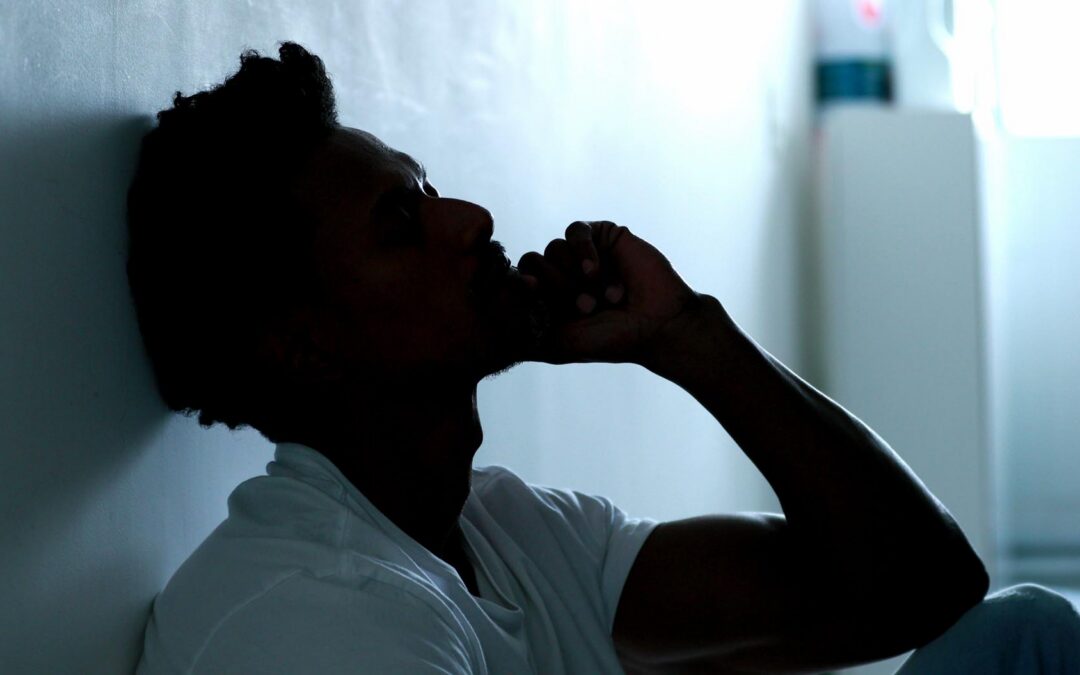
Stress often starts as a mental pressure. A heavy workload. A family situation you cannot fix. A running list of responsibilities that never really ends.
And then, one day, it shows up in your body.
Your heart starts racing. Your chest feels tight. You get dizzy or lightheaded. Your stomach turns. You feel nauseated, shaky, or disconnected, like you are watching yourself from a distance. In that moment, it can feel like your body is “attacking” you.
If you have wondered, “Can chronic stress cause panic attacks?” the answer is nuanced, and also hopeful. Chronic stress can raise the likelihood of panic attacks, and it can also create physical symptoms that closely mimic panic. Either way, both are treatable, and you are not alone in this.
In this article, we will walk through what panic attacks are, how chronic stress changes the body over time, warning signs that stress may be pushing toward panic, and what support can look like here at Advanced Therapy Center in Massachusetts.
Why chronic stress can feel like it’s “attacking” your body
Your mind and body are not separate systems. When your life is demanding, uncertain, or emotionally unsafe, your nervous system adapts. At first, those adaptations can help you get through the day. Over time, they can start to feel scary.
Many people come to us saying something like:
- “I feel like I can’t breathe.”
- “My chest feels tight and I’m sure something is wrong.”
- “I can’t stop scanning my body for symptoms.”
- “It came out of nowhere, and now I’m afraid it will happen again.”
The core question is important because it shapes what you do next. If chronic stress is driving your symptoms, you need more than willpower. You need skills, support, and a plan that helps your nervous system relearn safety.
Chronic stress vs. panic attacks: what’s the difference?
Chronic stress and panic attacks can look similar on the outside, but they are not the same experience.
Chronic stress is the ongoing activation of your stress response due to sustained demands or pressures. It can be fueled by work stress, caregiving, a trauma history, financial strain, health concerns, relationship conflict, or living in a constant state of uncertainty. It often feels like you are always “on,” always bracing, always behind.
A panic attack is a sudden surge of intense fear or discomfort that peaks within minutes and comes with strong physical symptoms. People commonly experience rapid heartbeat, shortness of breath, chest tightness, shaking, sweating, nausea, chills or heat sensations, dizziness, numbness or tingling, and fear of losing control or dying. It’s important to note that understanding the difference between panic attacks and anxiety attacks can provide more clarity in such situations.
The overlap is real. Chronic stress can prime your body so that smaller triggers feel catastrophic. Panic attacks can also happen “out of the blue,” which is part of why they are so unsettling.
If you are experiencing panic symptoms, it does not mean you are weak or broken. It usually means your nervous system has been carrying too much for too long.
When stress becomes physical: what’s happening inside your body
Your stress response exists for a reason. It is your body’s built-in protection system.
In plain terms, the sequence looks like this:
- Your brain detects a threat (real or perceived).
- Your body releases stress hormones like adrenaline and cortisol.
- Your body shifts into fight, flight, or freeze to protect you.

That shift can create physical changes that resemble panic, including:
- Increased heart rate and stronger heartbeat sensations
- Rapid breathing or shallow breathing
- Muscle tension (often in the jaw, neck, shoulders, chest)
- Sweating, trembling, or feeling shaky
- Gastrointestinal upset, nausea, diarrhea, stomach cramps
- Lightheadedness or dizziness (often from changes in breathing)
- Feeling “unreal” or detached (derealization/depersonalization)
A helpful way to understand panic is the false alarm concept. Sometimes, the body misreads normal sensations as danger. A faster heartbeat after coffee. Slight dizziness from standing up quickly. Tightness in the chest from muscle tension. If your system is already sensitized due to chronic stress, those sensations can get interpreted as a threat, and then the stress response intensifies them.
Chronic stress keeps this system activated longer than it was designed for. Over time, the nervous system becomes more reactive, and you may become more sensitive to internal cues.
Additionally, it’s worth noting that there could be a link between chronic stress and conditions like Post-Traumatic Stress Disorder (PTSD), which could further complicate one’s emotional well-being and potentially lead to addiction issues as well.
So…can chronic stress cause panic attacks? (How the connection works)
Yes. Chronic stress can increase the likelihood of panic attacks by dysregulating the nervous system and lowering the threshold for a panic response.
Here are a few common pathways we see.
Pathway 1: Sensitization (your system becomes more reactive)
With repeated stress, your body can start reacting faster and more intensely. You may notice you startle more easily, feel keyed up, or have a harder time “coming down” after a stressful moment. Eventually, even small triggers can produce intense physical symptoms.
Pathway 2: Sleep disruption and burnout (your brain loses resilience)
When stress interferes with sleep, your brain and body have fewer resources to regulate emotion and physical sensations. Poor sleep increases anxiety sensitivity, makes irritability worse, and can raise the odds that a normal stress response escalates into panic.
Pathway 3: The avoidance loop (panic about panic)
After one scary episode, many people begin to fear the sensations themselves. That fear can lead to avoiding places or activities, such as driving, stores, meetings, exercise, or being alone. Avoidance brings short-term relief, but it teaches the brain that the sensations were dangerous, which often increases anxiety and makes panic more likely.
A brief example
Imagine someone under intense work stress. They are sleeping five hours a night. They rely on caffeine to function. Their shoulders are tense, their breathing is shallow, and they have not had a real break in weeks.
One day, in a meeting, their heart starts racing. They feel dizzy. Their chest tightens. They think, “Something is wrong.” The fear spikes, their breathing gets faster, and within minutes they are in a full panic attack. The episode feels like it came from nowhere, but their body had been building toward it for a long time.
Signs chronic stress may be pushing toward panic
Sometimes panic feels sudden, but there are often early signs that the system has been running too hot.
Early warning signs of chronic stress include:
- Constant worry or racing thoughts
- Irritability or emotional reactivity
- Feeling on edge, restless, or “wired”
- Frequent headaches
- Jaw clenching or neck and shoulder tension
- Stomach issues or appetite changes
- Trouble falling asleep or staying asleep
- Feeling exhausted but unable to relax
It’s important to note that some of these symptoms, like frequent headaches and jaw clenching, could also be related to chronic pain, which often stems from unresolved stress.
Panic-adjacent signs can include:
- Fear of having a medical emergency
- Repeatedly checking your pulse, breathing, or blood pressure
- Avoiding driving, stores, public places, or exercise
- Sudden surges of dread that feel disproportionate to the moment
Functional impact matters, too. If symptoms are causing you to miss work or school, withdraw socially, avoid normal responsibilities, or rely on alcohol or substances to calm down, that is a strong sign you deserve support.
It can also help to track patterns. Consider what happened in the 24 to 48 hours before symptoms:
- Sleep quantity and quality
- Caffeine or nicotine intake
- Conflict, criticism, or major deadlines
- Trauma reminders
- Skipped meals or dehydration
- Overexertion and lack of recovery time
Ruling out medical causes (and why it matters)
Your safety comes first. Chest pain, fainting, irregular heartbeat, or new and severe symptoms deserve medical evaluation. If you are unsure, it is always appropriate to seek urgent care or emergency evaluation.
Medical issues can mimic panic symptoms, including thyroid problems, arrhythmias, asthma, anemia, vestibular issues, and medication side effects. Getting checked is not “overreacting.” For many people, medical reassurance also reduces fear and uncertainty, which lowers the overall panic loop.
Once urgent medical causes are ruled out, therapy becomes a powerful next step for addressing the stress and panic cycle effectively.
Why chronic stress and substance use often overlap (and can worsen panic)
When people feel overwhelmed, it is human to look for relief. Alcohol, cannabis, stimulants, or misuse of prescription medications can feel calming in the moment, especially when stress is relentless.
But over time, substances often increase anxiety and make panic symptoms more frequent or more intense.
Common patterns include:
- Rebound anxiety and withdrawal effects: Alcohol can reduce anxiety short-term, but it often increases anxiety as it leaves the system. Nicotine and caffeine can intensify palpitations and sleep disruption.
- Sleep disruption: Many substances interfere with deep, restorative sleep, which lowers your resilience.
- A reinforcing cycle: Anxiety fuels substance use, and substance use fuels anxiety, making both harder to treat unless addressed together.
At Advanced Therapy Center, we provide outpatient support in Massachusetts for substance use and co-occurring mental health concerns, so you do not have to choose which problem “counts more.” If you would like to talk with someone about options, you can call us at (781) 560-6067.
What helps long-term: evidence-based therapy for stress-driven panic
Effective treatment is not just “talking about it.” It is a combination of skills, insight, and nervous system retraining, delivered in a way that fits your real life.
Depending on your needs, treatment may include:
Cognitive Behavioral Therapy (CBT)
CBT helps you identify catastrophic thoughts like “I’m dying” or “I’m going to pass out,” and replace them with more accurate, stabilizing interpretations. CBT for panic also often includes interoceptive exposure, which gently and safely helps you practice tolerating feared sensations (like a racing heart) so your brain stops treating them as danger.
Motivational Interviewing (MI)
When patterns like avoidance, overworking, or substance use feel stuck, MI helps strengthen your readiness for change without shame. It is especially helpful when part of you wants relief, and another part feels afraid to let go of coping strategies that once helped you survive.
Group therapy
Group work can reduce isolation, normalize symptoms, and provide real-time practice using coping strategies with others who truly understand what this feels like.
Holistic approaches (when appropriate)
Breathwork, meditation, and hypnosis can support stress reduction and help settle trauma responses. We approach holistic care as part of whole-person support, honoring mental, physical, and spiritual well-being.
Practical tools to use during a panic attack (and in the moment stress spikes)
Panic feels urgent, but it is also a wave. It rises, peaks, and passes. The goal is not to “win” against it. The goal is to ride it safely and reduce the fear that fuels it.
Here are a few tools many people find helpful:
1. Let the wave crest
Say to yourself: “This is a panic response. It will peak and pass.” Timing matters. Panic often peaks within minutes, even though it can feel endless while you are in it.
2. Try exhale-focused breathing
A simple option: inhale for 4, exhale for 6. Longer exhales help signal safety to the nervous system and can reduce hyperventilation-driven dizziness.
3. Use a cognitive cue
Name it: “This is panic, not danger.” The goal is to reduce catastrophic interpretation. Your body is uncomfortable, but not necessarily unsafe.
4. Do a small behavioral reset
Unclench your jaw. Drop your shoulders. Plant your feet. Take a slow walk or step outside for air. Gentle movement can help your body complete the stress cycle.
5. Reduce “checking” behaviors
Repeatedly checking your pulse, scanning your body, or seeking constant reassurance can unintentionally reinforce fear. If checking is part of your pattern, we can help you replace it with steadier grounding skills.
These tools work best when practiced during calm moments, not only during emergencies. Think of it like training your nervous system, not just reacting to it.
Treatment options we offer in Massachusetts (personalized care that fits real life)
At Advanced Therapy Center, we understand that stress, panic, trauma, depression, and substance use often overlap. We take a personalized approach because your triggers, history, and daily demands are unique.
Our Massachusetts-based team offers support that may include:
- Individual counseling and evidence-based behavioral therapies as the foundation of care
- Treatment plans built around your real triggers, responsibilities, and goals
- Group therapy for connection, skill practice, and accountability
- Holistic therapies such as breathwork, meditation, and hypnosis when clinically appropriate. We believe in the power of holistic therapy to complement traditional treatment methods.
- Medication support when appropriate, with coordination of care and medication management as needed
- Medication-assisted treatment (MAT) as an evidence-based option for substance use
- Aftercare planning and ongoing support, including relapse prevention for both panic cycles and substance-related patterns, plus connections to outside providers when helpful
We serve individuals in and around Medford, MA, and throughout Massachusetts who are looking for care that is both clinically strong and genuinely human.
When to reach out (and how to start with us)
Early intervention matters. The longer the stress-panic loop runs, the more it can reshape routines, confidence, and quality of life. With the right support, the nervous system can recover, and many people experience significant relief.
Consider reaching out if you are experiencing:
- Frequent panic attacks
- Persistent fear of the next attack
- Avoidance of driving, stores, social situations, or exercise
- Sleep disruption and burnout
- Increased substance use to cope
- A sense that you are no longer functioning like yourself
If you are ready to talk through what has been happening and what support could look like, contact Advanced Therapy Center at (781) 560-6067. Panic is highly treatable, and with the right plan, your body can relearn safety.