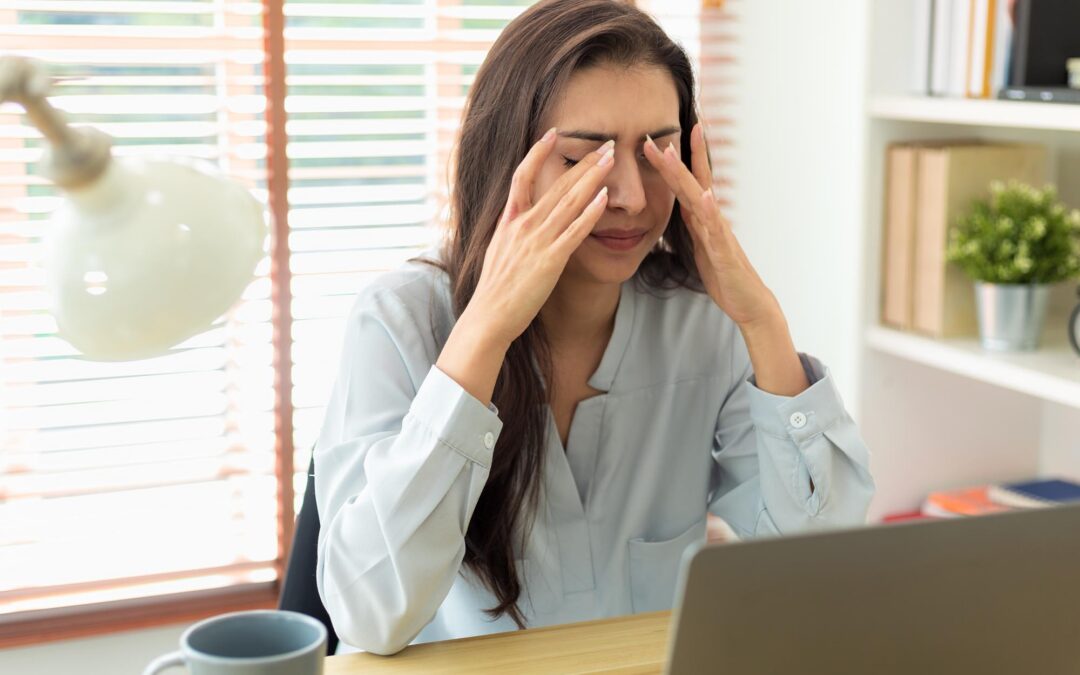
Why Does Summer Make My Anxiety Worse Instead of Better?
Summer has a reputation for being carefree. Longer days, beach trips, cookouts, vacations, and photos that make it look like everyone is thriving.
So when you feel more on edge instead of more relaxed, it can be confusing. You might even wonder, What’s wrong with me?
Nothing is “wrong” with you.
Many people experience what’s often called summer anxiety, a seasonal pattern where anxiety symptoms spike during warmer months or during summer routines and expectations. For some, it’s a return of familiar anxiety, such as high-functioning anxiety. For others, it’s the first time they notice a strong seasonal shift in mood, sleep, and stress tolerance.
And it can affect anyone: teens, college students, working adults, parents, people in recovery, and people with existing anxiety, depression, or trauma histories.
In this guide, we’ll walk through what can cause summer anxiety, what it can look like day to day, how to cope in ways that actually fit summer life, and what treatment options can look like here in Massachusetts, especially in and around Medford.
Common causes of summer anxiety
Summer anxiety is rarely “just one thing.” It’s usually a mix of physical stress, disrupted rhythm, social pressure, and emotional triggers.
Heat and physical stress
Heat can place real stress on the body, and those physical sensations can feel a lot like anxiety.
When you’re overheated or dehydrated, your body may respond with:
- Higher heart rate
- Dizziness or lightheadedness
- Sweating
- Irritability
- Poor sleep

If you’re someone who is prone to anxiety or panic, those sensations can be misread as danger. This may escalate into a full anxiety surge. Even if you don’t have a panic disorder, heat-related discomfort can lower your threshold for stress and make everyday challenges feel bigger.
However, it’s important to remember that there are effective solutions for managing anxiety, including medication options such as Hydroxyzine.
If you’re in Massachusetts and seeking help for your anxiety during the summer months or any other time of the year, there are numerous anxiety treatment options available tailored to fit your needs.
For those dealing with trauma-related issues that could be contributing to their anxiety levels during the summer season or otherwise, trauma treatment in Massachusetts may provide the relief needed.
In some cases where traditional methods haven’t worked or if there’s a need for specialized therapy such as EMDR which is used to treat anxiety, it’s worth exploring these avenues as well.
Disrupted routines and less structure
Summer often breaks the routines that keep us steady.
- School breaks can mean less structure for teens, college students, and parents.
- Vacations can disrupt sleep, meals, and exercise.
- Work schedules may shift, or childcare may become more complicated.
When structure falls away, rumination often fills the space. Many people notice they feel worse when days are less predictable, even if the change is supposed to be enjoyable.
Increased exposure to alcohol and substances
Summer social life often includes more drinking and more pressure to participate.
For some people, alcohol or substances become a quick way to “take the edge off,” but they often lead to:
- Rebound anxiety the next day
- Worse sleep
- Increased irritability
- More panic-like physical symptoms
In fact, certain substances like Xanax can actually make anxiety worse, which is an important consideration for those seeking relief from summer stress. For people in recovery, summer can also bring more triggers and more risk: holidays, cookouts, beach weekends, and being around drinking culture more frequently.
Trauma reminders (including fireworks, crowds, and sensory triggers)
Certain summer experiences can activate trauma responses, even if you are not consciously thinking about trauma.
Common triggers include:
- Fireworks or sudden loud noises
- Crowds and feeling trapped
- Unwanted attention in public spaces
- Specific smells, music, or settings tied to past events
If you notice your body reacting strongly to certain summer environments, it may not be “overreacting.” It may be remembering.
Co-occurring mental health conditions
Summer can also intensify symptoms when anxiety overlaps with:
- Depression (including seasonal shifts that are not strictly “winter SAD”)
- PTSD
- Panic disorder
- Health anxiety
- Substance use disorders
Sometimes the season itself is not the direct cause. The season simply increases stressors, exposure, and emotional load, and the underlying condition flares.
Summer anxiety symptoms: what it can look like day to day
Summer anxiety does not always look dramatic. Often it shows up in quiet, persistent ways that wear you down over time.
Emotional symptoms
You might notice:
- Persistent worry that’s hard to shut off
- Irritability or a short fuse
- A vague sense of dread, even on “good” days
- Feeling overwhelmed by plans, people, or decisions
- Restlessness and difficulty relaxing
These are common anxiety symptoms that can manifest during the summer months.
Physical symptoms
Common physical signs include:
- Racing heart or palpitations
- Sweating or feeling “on edge” in your body
- Nausea, stomach upset, or appetite changes
- Muscle tension, jaw clenching, headaches
- Trouble falling asleep or staying asleep
- Fatigue that doesn’t match your activity level
Heat can amplify many of these symptoms, which is why summer anxiety can feel especially intense. When your nervous system is already activated, it takes less to tip into panic.
Behavioral symptoms
Anxiety often reshapes your behavior in protective (but limiting) ways, such as:
- Avoiding outings or leaving early
- Canceling plans at the last minute
- Overchecking the weather, your heart rate, or physical symptoms
- Seeking constant reassurance from friends, partners, or Google
- Staying inside more than you want to, then feeling isolated or guilty
Panic symptoms (and why it can be confusing in the summer)
Panic can feel like a sudden wave of terror, with intense physical symptoms. In the summer, panic symptoms can be mistaken for heat exhaustion, and heat illness can be mistaken for panic.
If you’re unsure, it is always okay to seek medical evaluation. Safety comes first, and you deserve clarity.
When it becomes a concern
It may be time to take summer anxiety more seriously if symptoms:
- Show up most days for two weeks or more
- Interfere with work, school, parenting, or relationships
- Cause you to avoid life more and more
- Lead to increased drinking, substance use, or risky coping
- Create ongoing sleep disruption that worsens everything else
Summer anxiety vs. “normal stress”: when to seek support
Stress is part of life. But anxiety tends to behave differently.
A simple distinction many people find helpful is understanding the difference between panic attacks and anxiety attacks, which are often confused due to their overlapping symptoms.
Consider reaching out for support if you notice red flags like:
- Frequent panic episodes
- Insomnia most nights
- Constant avoidance (driving, crowds, travel, social plans)
- Worsening depression or numbness
- Increased alcohol or drug use to cope
- Thoughts of self-harm or feeling like you can’t stay safe
If you have a history of anxiety, trauma, or substance use, proactive support in early summer can prevent a spiral later. Early intervention often leads to more stable, lasting recovery.
If you are in immediate danger or unable to keep yourself safe, call 911 or go to your nearest emergency room.
Practical coping strategies for summer anxiety (that actually fit summer life)
You don’t need perfect routines to feel better, but your nervous system does need consistency and care. These strategies are designed to be realistic, even with travel, heat, and social plans.
Stabilize the basics first
When anxiety spikes, we start with the physiological load. These basics can reduce symptoms quickly:
- Hydrate consistently, especially if you’re outside or sweating
- Eat regular meals, even if appetite is off
- Limit caffeine, particularly on hot days or when sleep is already fragile
- Limit alcohol, since it often increases next-day anxiety
- Protect sleep with a consistent wind-down routine
This isn’t about “being healthy.” It’s about keeping your body from sending your brain extra alarm signals.
Heat-smart calming for a sensitive nervous system
If heat triggers panic-like sensations, try tools that cool the body and cue safety:
- A cool shower or rinsing hands and wrists in cold water
- A cold pack on the back of the neck for a few minutes
- Choosing shaded walks or air-conditioned environments when you can
- Slower breathing with a longer exhale (for example, inhale 4, exhale 6)
When the exhale is longer, your body gets a direct signal to shift out of fight-or-flight.
A travel and crowd “toolkit”
If travel, lines, airports, events, or crowded beaches make you anxious, planning helps.
Consider:
- Pre-planning breaks and quieter moments in the day
- Carrying grounding items (a smooth stone, scented lotion, a coping card)
- A short breathing practice you can do anywhere
- Identifying quiet spaces ahead of time (lobbies, restrooms, less crowded areas)
You are not “being difficult” by needing a little nervous system support. You are being wise.
Additionally, simple evidence-based strategies can also be incorporated into your daily routine to help manage stress and anxiety effectively during the summer months.
Body image triggers and summer visibility
For many people, summer brings body-focused anxiety. More skin, more comments, more comparison.
A gentle reframe can help:
- Focus on comfort and function, not performance
- Choose environments that feel emotionally safer
- Practice neutral self-talk (for example, “My body is allowed to take up space.” “I can be uncomfortable and still show up.”)
You don’t have to force confidence. Sometimes the goal is simply less self-attack.
If you’re in recovery: protect your progress
Summer can be high-risk for relapse, not because you’re weak, but because triggers increase.
A summer relapse-prevention plan might include:
- Bringing your own non-alcoholic drinks to cookouts
- Driving yourself so you can leave when you need to
- Having a simple script ready (“No thanks, I’m good.”)
- Scheduling check-ins with supports before and after big events
- Knowing your exit strategy ahead of time
Evidence-based therapy for summer anxiety (what treatment looks like with us)
Therapy should feel like more than talking. At Advanced Therapy Center, we focus on skills, insight, and real-life support, tailored to what summer is actually bringing up for you.
Cognitive-Behavioral Therapy (CBT)
CBT, one of the most effective approaches for anxiety, is part of our approach. We use it to help you:
- Identify anxious thought patterns like catastrophizing and mind-reading
- Challenge those thoughts with realistic, grounded alternatives
- Build coping plans for predictable summer triggers
- Practice gradual exposure for avoided situations, such as crowds, travel, social events, or driving
Avoidance shrinks your world. Exposure, done gently and strategically, helps you get it back.
In addition to managing anxiety and body image issues during the summer months, it’s also crucial to maintain your recovery journey if you’re dealing with substance use challenges. Individual therapy programs can provide the necessary support and tools needed to navigate these difficult times successfully.
Holistic therapies (as complementary support)
For many people, anxiety lives in the body as much as the mind. We may incorporate holistic supports such as:
- Breathwork
- Meditation
- Hypnosis (when appropriate)
These can reduce stress reactivity and trauma responses while supporting overall well-being, especially when paired with evidence-based therapy. Holistic therapies like these have shown promise in addressing the physical manifestations of anxiety.
Medication-assisted treatment (MAT) when substance use is part of the picture
If substance use is involved, MAT can be a stabilizing support while therapy addresses root causes and coping patterns. For many clients, it reduces relapse risk and creates the breathing room needed to do deeper work. However, it’s essential to explore anxiety medication alternatives that may better suit individual needs.
Personalized care in Massachusetts
We tailor treatment based on your anxiety severity, co-occurring depression or trauma, and your lifestyle demands in Massachusetts, including work schedules, family responsibilities, and the realities of summer life.
If summer anxiety is tied to substance use or relapse risk
A common cycle looks like this:
Anxiety rises → drinking/using to cope → disrupted sleep and rebound anxiety → increased panic symptoms → more urge to cope
Summer can add fuel to that cycle through:
- Holidays and social events
- Travel and schedule changes
- Boredom and unstructured time
- Being around alcohol more often
When this is part of the picture, outpatient rehab can help you stay anchored while continuing to manage work, school, or family responsibilities.
Through our Advanced Addiction Center, we treat substance use and co-occurring mental health disorders together. This integrated approach is crucial because treating one without the other often leaves people stuck. Support may include individual counseling, group therapy, behavioral therapies, holistic therapies such as breathwork or meditation for unresolved trauma response, MAT when appropriate for anxiety medication, and aftercare planning with ongoing support.
What to expect when you start treatment at Advanced Therapy Center
Starting therapy can feel vulnerable. We aim to make it feel clear, collaborative, and paced to your real life.
A thoughtful intake
We begin with a confidential conversation about:
- Your symptoms and current stressors
- Summer-specific triggers (heat, social plans, travel, body image, family dynamics)
- History related to anxiety, trauma, depression, or substance use
- Your goals for the summer and beyond
A care plan that matches your needs
We’ll recommend a level of care and modalities that fit you, which may include CBT, DBT, MI, and holistic supports. If medication coordination is appropriate, we’ll discuss that too. For those seeking non-addictive options for anxiety relief, we provide various therapeutic alternatives.
Skill-building that’s designed for summer
We focus on a practical plan that may include:
- Heat and panic-cue management
- Sleep stabilization strategies
- Boundaries and social pacing
- Travel coping tools
- Relapse prevention planning (if relevant)
How you’ll know it’s working
Progress often looks like:
- Fewer panic symptoms and less fear of symptoms
- Improved sleep and energy
- Less avoidance and more flexibility
- Better boundaries with plans, people, and substances
- More consistent routines that feel supportive, not rigid
And we adjust as we go. Treatment is not a script. It’s a partnership.
Let’s wrap up (and a next step if you’re struggling this summer)
Summer anxiety is real, common, and treatable. When your nervous system is under strain, “fun” can feel like pressure, and heat, disruption, and social demands can make anxiety louder. The good news is that symptoms often improve with structure, coping skills, and evidence-based therapy.
If you want a simple first step this week, try this:
- Track your top two triggers (for example: heat, crowds, drinking environments, travel, body image).
- Choose one coping strategy from this article and practice it once a day for seven days.
And if you want support that’s personalized and truly integrated—whether it’s dealing with PTSD or seeking psychiatric treatment benefits, we’re here.
If substance use is part of the picture—perhaps you’re considering the use of medications like Ativan for anxiety—we can also help through our outpatient rehab and dual-diagnosis care. Our rehab blog provides valuable insights into such treatments.
If you’re in Massachusetts, especially in or near Medford, reach out to Advanced Therapy Center for individualized anxiety treatment.
Call us at (781) 560-6067 to schedule a confidential consultation and learn which therapy options are the best fit.